

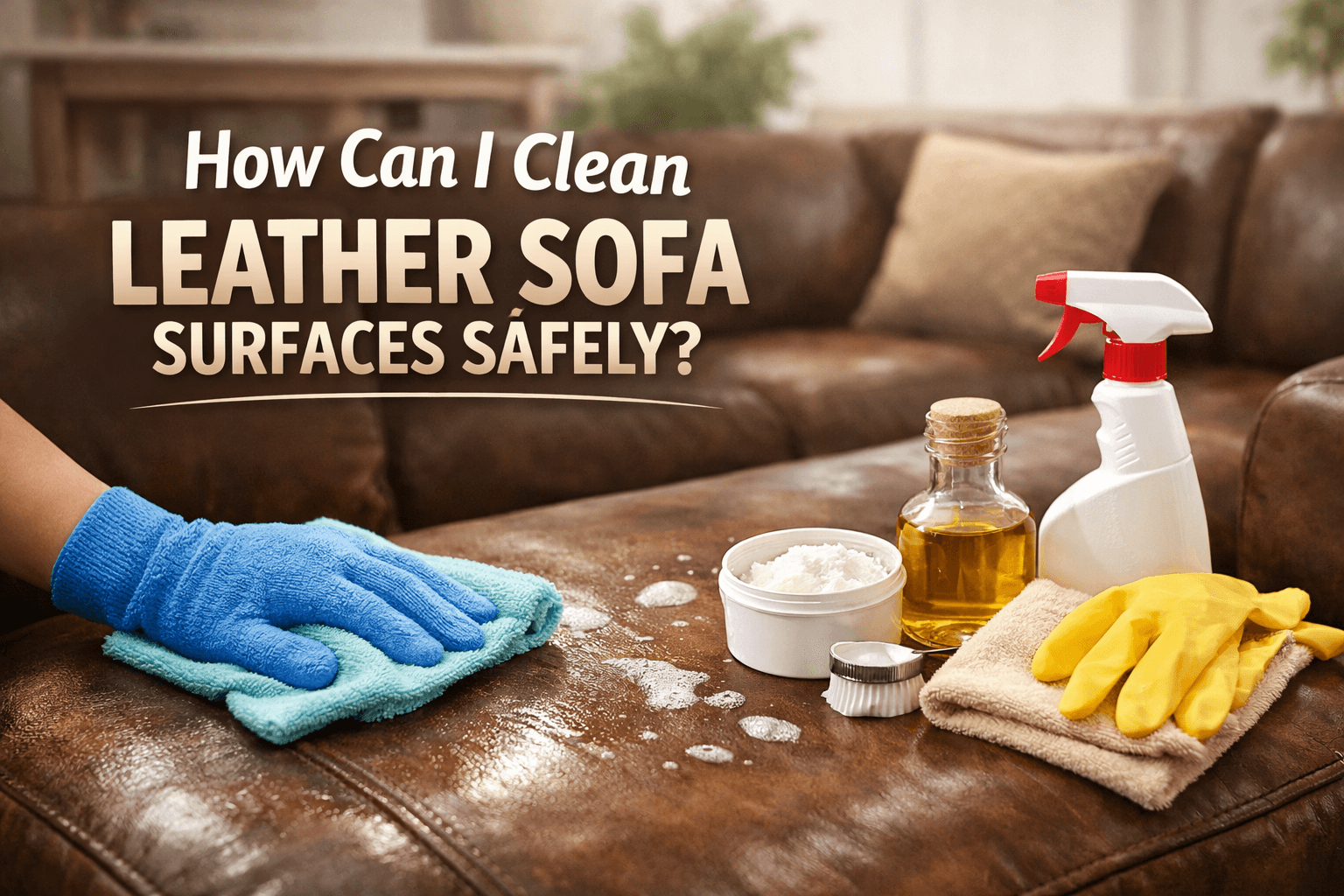
Do you want to know how can I clean leather sofa sets to make them look new? Leather is a luxury material that needs a gentle hand. Many owners feel stuck between a dusty couch and the fear of ruin. This guide gives you more info and clear steps to follow.
Cleaning leather is not just about looks. It is about keeping the hide strong. Without care, leather loses its natural moisture. This leads to deep cracks that no one can fix. We will show you how to avoid those costly mistakes today.
Core Explanation: Why Leather Needs Specific Care

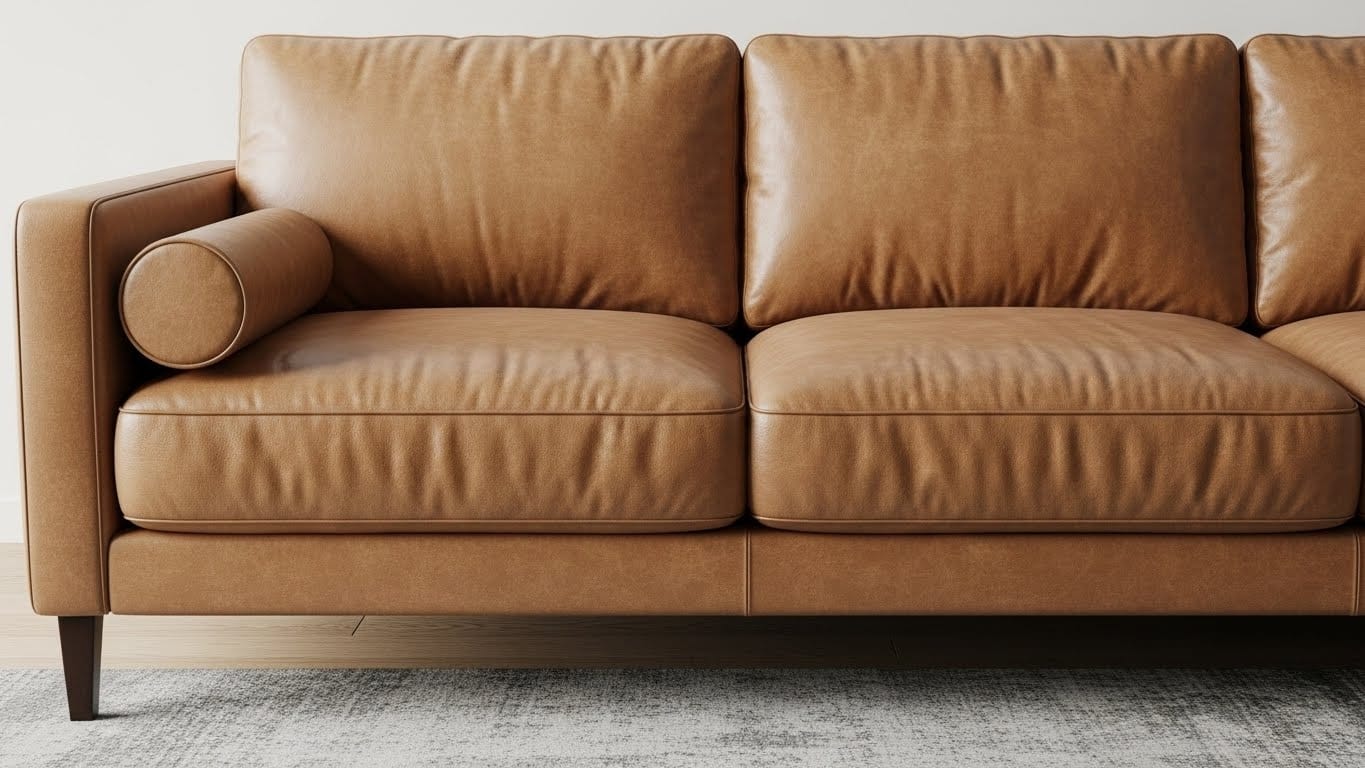
Leather is an organic material. It is porous skin that has been treated. These pores breathe and react to the air in your home. When dirt fills these pores, the leather cannot “breathe” anymore. This causes the surface to get brittle and hard.
The finish on your sofa is a thin shield. This shield keeps spills from soaking in fast. Over time, friction from sitting wears this shield down. Proper cleaning removes the grit that acts like sandpaper. It keeps the shield smooth and the leather beneath it safe.
My Experience With a Stubborn Stain
I once had a light tan sofa in a sun-filled room. One day, a friend dropped a slice of buttery popcorn on the seat. I didn’t see it for three days. When I moved the cushion, there was a dark, greasy circle. I felt a pit in my stomach.
I lived in a small town in Oregon then. I didn’t have fancy leather cleaners. I used a mix of cornstarch and a tiny bit of water. I let it sit on the spot overnight. I felt so nervous that the starch would leave a white mark.
The next morning, I brushed it away. The oil was gone. The starch had pulled the grease right out of the pores. It wasn’t a perfect fix at first, but it saved the couch. That moment taught me that patience is better than scrubbing hard.
The “Never” List
- No Baby Wipes (Too acidic)
- No Bleach (Strips color)
- No Window Cleaner (Dries hide)
- No Coarse Scrubbers (Scratches)
The “Always” List
- Microfiber Cloths
- Distilled Water
- pH-Neutral Soap
- Regular Vacuuming
Detailed Contextual Factors
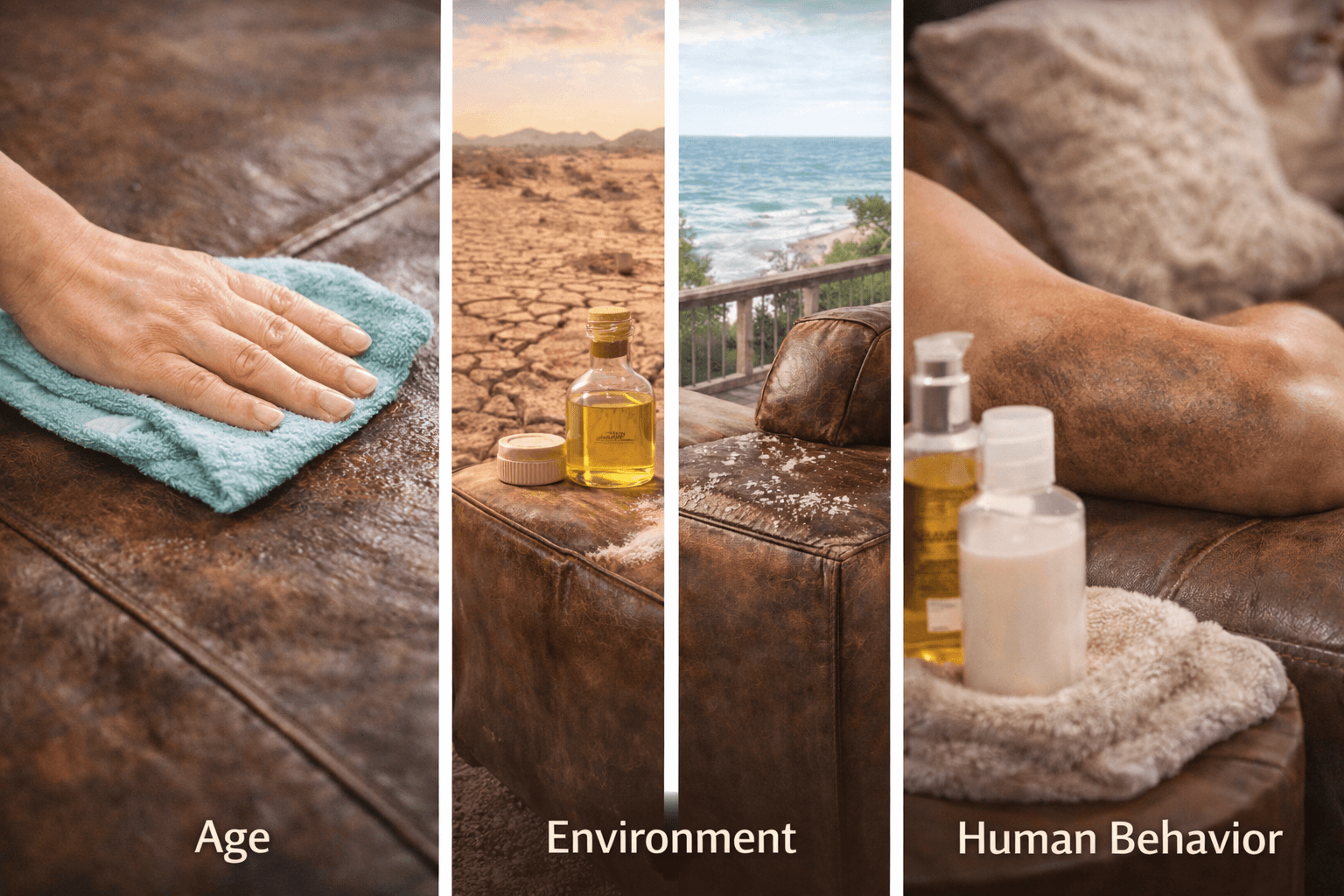
The age of the leather changes how you clean it. New leather still has plenty of factory oils. It usually only needs a damp wipe. Older leather is much thirstier. It will drink up any liquid you put on it, so you must be faster.
The environment is a silent factor. If you live in a desert, your leather needs more conditioner. If you live near the coast, salt in the air can settle on the sofa. This salt can be abrasive. Wipe it down more often in these areas.
Human behavior is the biggest factor. Body lotion, hair gel, and skin oils are the main enemies. These sit on the headrests and armrests. If you don’t clean these spots, they turn dark. This is called “protein build-up,” and it is hard to remove later.
Common Misunderstandings and Myths
A big myth is that “natural” means safe. People think lemon juice is natural, so it must be okay. Lemon juice is very acidic. It can cause the leather to peel. Always check the pH of what you use.
Another myth is that you can “wash” leather. Some people use a bucket of soapy water. They soak the leather like a car. This is a disaster. Water inside the cushions can lead to mold and rot. The leather will also shrink as it dries.
Deep Cleaning: The Step-by-Step Flow
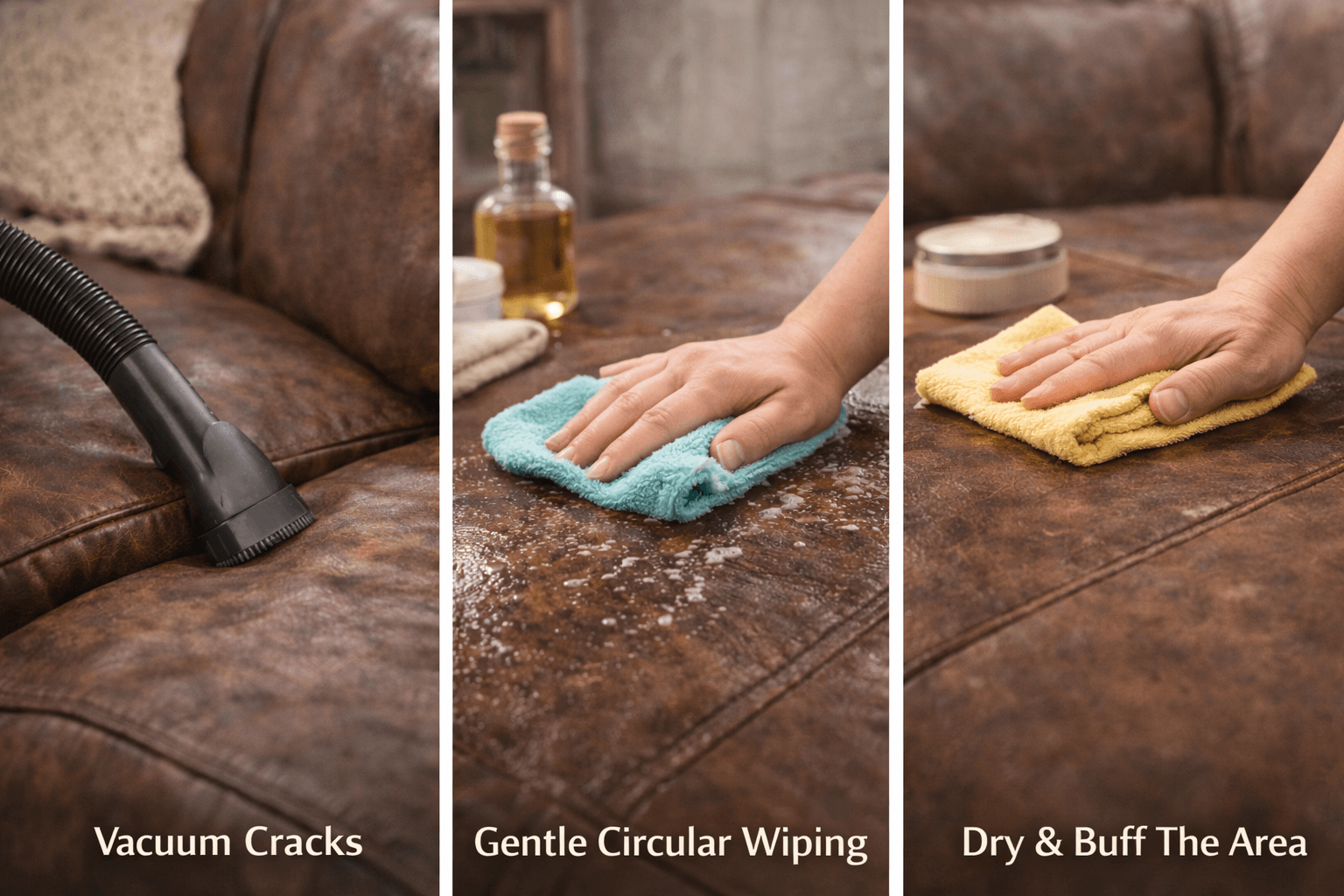
First, get all the loose dirt out. Use the brush tool on your vacuum. Be sure to go deep into the sides of the cushions. If you skip this, you will just rub the dirt into the leather later.
Next, make your cleaning mix. Use one part mild soap to ten parts water. Dip your cloth and wring it out hard. It should feel barely wet. Wipe in small circular motions. This lifts the dirt out of the grain.
Finally, dry it immediately. Use a fresh, dry microfiber cloth. Buff the area until it feels smooth and dry to the touch. This prevents water spots. If the leather feels dry after it is clean, apply a tiny bit of leather cream.
Practical Implications: When to Act
Small surface scratches are normal. You can often rub them out with a clean finger. The heat from your skin moves the natural oils. This hides the scratch. You do not need to deep clean for this.
If you see the color coming off on your clothes, stop! This means the finish is gone. You are touching the raw dye. At this point, home cleaning is risky. You should call a professional to reseal the leather.
Spills need instant action. Blot the spill with a dry paper towel. Do not rub it, or you will push the liquid deeper. Once the surface is dry, you can use a damp cloth to remove any sticky residue.
Prevention and Best Practices
Rotate your cushions if you can. This prevents one spot from getting all the wear. It also helps the leather breathe. If your cushions are attached, try to sit in different spots each day.
Keep a “leather kit” under the sink. This should have a clean cloth and a small bottle of distilled water. When you have a kit ready, you act faster. Speed is the best way to stop a stain from becoming permanent.
Check your pets’ claws. Sharp nails can slice through the finish in a second. If you have cats, keep a throw blanket on their favorite corner. This protects the leather while they sleep.
The 12-Month Care Cycle
Every Week: Dust and Vacuum Cracks
Every Month: Wipe Arms and Headrest
Every 6 Months: Deep Clean and Condition
Frequently Asked Questions
Can I use coconut oil to condition my leather sofa?
No, do not use food oils. They can turn bad and smell. They also attract bacteria. Use a product made specifically for leather furniture.
How do I remove ink from a leather couch?
Ink is very hard. Try a tiny bit of rubbing alcohol on a cotton swab. Test a hidden spot first! If the color stays, dab the ink gently. Do not rub.
Is steam cleaning safe for leather?
No, steam is too hot. It can cook the fibers of the leather. It also forces too much water into the pores. Stick to cool or warm, damp wipes.
Can I use a magic eraser on leather?
Absolutely not. Magic erasers are like very fine sandpaper. They will sand the protective finish off your sofa instantly. It will leave a dull, rough patch.
What if my sofa is made of faux leather?
Faux leather is plastic. You can use slightly more water and soap. However, it can still peel if you use harsh chemicals like bleach.
Why does my leather sofa smell?
It might be trapping body odors or pet smells. Use a leather-safe deodorizer. You can also leave a bowl of baking soda nearby to absorb smells in the room.
Conclusion
You now have all the info you need. Knowing how can i clean leather sofa sets is about being smart and steady. Use simple tools like distilled water and pH-neutral soap. Avoid the “natural” traps like vinegar or lemon juice.
Take care of your leather, and it will take care of you. It is a piece of furniture that gets better with age if treated right. Keep it out of the sun, keep it dry, and keep it conditioned. Your home will look great for years to come.
{
“@context”: “[https://schema.org](https://schema.org)”,
“@type”: “FAQPage”,
“mainEntity”: [
{
“@type”: “Question”,
“name”: “Can I use coconut oil to condition my leather sofa?”,
“acceptedAnswer”: {
“@type”: “Answer”,
“text”: “No, do not use food oils. They can turn bad and smell. They also attract bacteria. Use a product made specifically for leather furniture.”
}
},
{
“@type”: “Question”,
“name”: “How do I remove ink from a leather couch?”,
“acceptedAnswer”: {
“@type”: “Answer”,
“text”: “Ink is very hard. Try a tiny bit of rubbing alcohol on a cotton swab. Test a hidden spot first! If the color stays, dab the ink gently. Do not rub.”
}
},
{
“@type”: “Question”,
“name”: “Is steam cleaning safe for leather?”,
“acceptedAnswer”: {
“@type”: “Answer”,
“text”: “No, steam is too hot. It can cook the fibers of the leather. It also forces too much water into the pores. Stick to cool or warm damp wipes.”
}
},
{
“@type”: “Question”,
“name”: “Can I use a magic eraser on leather?”,
“acceptedAnswer”: {
“@type”: “Answer”,
“text”: “Absolutely not. Magic erasers are like very fine sandpaper. They will sand the protective finish off your sofa instantly. It will leave a dull, rough patch.”
}
},
{
“@type”: “Question”,
“name”: “What if my sofa is made of faux leather?”,
“acceptedAnswer”: {
“@type”: “Answer”,
“text”: “Faux leather is plastic. You can use slightly more water and soap. However, it can still peel if you use harsh chemicals like bleach.”
}
},
{
“@type”: “Question”,
“name”: “Why does my leather sofa smell?”,
“acceptedAnswer”: {
“@type”: “Answer”,
“text”: “It might be trapping body odors or pet smells. Use a leather-safe deodorizer. You can also leave a bowl of baking soda nearby to absorb smells in the room.”
}
}
]
}
Recent Posts
Upgrade your kitchen now! See our 5 best microwaves drawer reviews. Make an informed purchase and save time and space.
Score the best microwaves under 50 dollars! Our 5 top product reviews help you save money and eat well. Get yours now!.