

You’re probably wondering, “Is Ceramic Cookware Safe? Everything Explained Simply.” It’s a really common question, especially if you’re new to cooking or thinking about switching up your kitchen tools. Sometimes, all the different materials and claims out there can feel a bit confusing, making it hard to know what’s best for your family.
But don’t worry! We’re going to break it all down in a way that’s super easy to grasp. Get ready for a straightforward guide that answers all your questions about ceramic cookware.
Key Takeaways
- Ceramic cookware, when made properly, is generally safe for cooking.
- Understanding the difference between true ceramic and ceramic-coated cookware is important.
- The manufacturing process and materials used determine the safety of ceramic cookware.
- Proper care and maintenance extend the life and safety of your ceramic cookware.
- Potential concerns with ceramic cookware often relate to the coating’s durability and additives.
l chemicals like PFOA and PTFE, especially when heated to high temperatures. However, the durability of this coating is a major factor.
If the coating scratches or wears off, the underlying
Understanding Ceramic Cookware
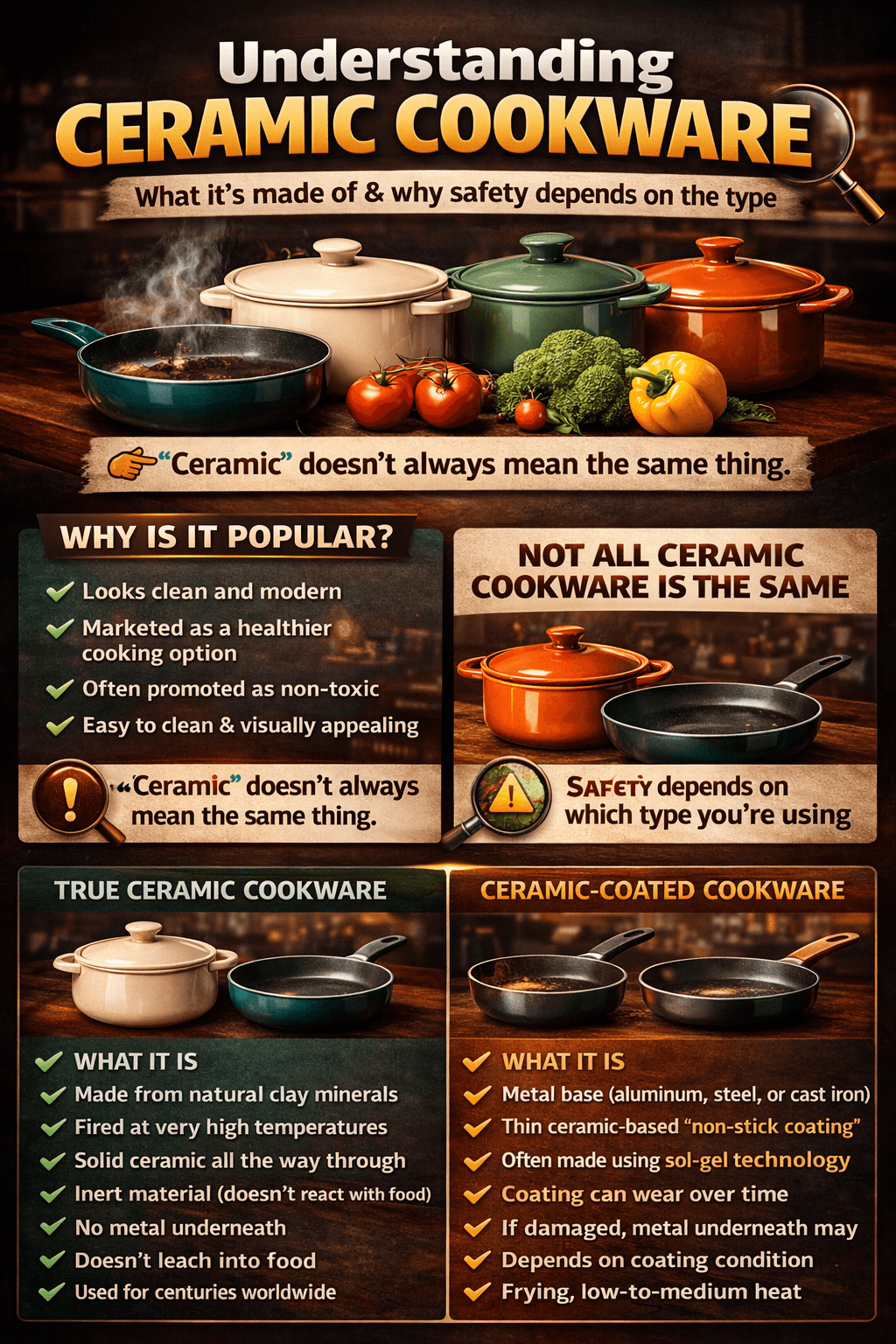
Ceramic cookware has become quite popular because it looks nice and many people believe it’s a healthier option for cooking. But what exactly is it made of, and how does that affect its safety? The term “ceramic” can sometimes be a little misleading because it’s used for different types of products.
Some cookware is made entirely from a ceramic material, while others are metal pans with a ceramic coating. This distinction is really key to understanding if your cookware is truly safe and what to look out for when you’re shopping.
What is True Ceramic Cookware?
True ceramic cookware is made from natural clay minerals that are fired at very high temperatures. This process creates a hard, non-porous surface. Think of it like pottery, but specifically designed for the high heat of your stovetop or oven.
These materials are inert, meaning they don’t react with food. Because they don’t leach anything into your meals, they are considered very safe. The natural composition of clay makes it a stable material that can handle heat without breaking down.
The firing process is crucial. It vitrifies the clay, turning it into a glass-like substance. This makes it durable and resistant to staining and odors.
Many traditional cooking vessels from around the world are made from these natural ceramic materials. They have been used for centuries without any reported health concerns, which speaks to their inherent safety when produced correctly. The focus here is on the raw materials themselves and how they transform through heat.
Ceramic-Coated Cookware Explained
More commonly found on store shelves is ceramic-coated cookware. This type of cookware typically starts with a base made of aluminum, stainless steel, or cast iron. Then, a non-stick coating is applied, which is marketed as “ceramic.” This coating is often a sol-gel based product, which is essentially a liquid suspension that hardens into a ceramic-like layer when cured.
It’s designed to provide a non-stick surface without relying on materials like PTFE (Teflon).
The safety of this cookware hinges on the quality of the coating and the ingredients used to create it. Reputable brands aim to produce coatings that are free from harmfumetal could be exposed, and the non-stick properties diminish. This is where the safety conversation often gets more complex.
Comparing True Ceramic and Ceramic-Coated
It’s helpful to see the differences side-by-side. True ceramic is a solid block of fired clay, like a casserole dish you might bake in. Ceramic-coated cookware is a pan (metal) with a coating applied to it, like a frying pan.
The former is inherently very stable, while the latter’s safety depends on the integrity and composition of its coating. When you hear about “non-stick ceramic,” it’s almost always referring to the coated variety. This is why checking product descriptions and brand reputations is important.
| Feature | True Ceramic Cookware | Ceramic-Coated Cookware |
|---|---|---|
| Base Material | Natural clay minerals | Aluminium, stainless steel, cast iron |
| Surface | Solid ceramic material | Coating applied to a metal base |
| Non-stick Properties | Naturally less prone to sticking than raw metal, but not inherently non-stick like coatings | Designed to be non-stick |
| Safety Concerns | Minimal, primarily related to manufacturing defects | Coating durability, potential for leaching if damaged, and specific chemical additives |
The Science Behind Ceramic Safety
The safety of any cookware material comes down to what it’s made of and how it interacts with heat and food. For ceramic cookware, particularly the coated versions, understanding the components is key. The aim is to create a surface that’s non-stick and doesn’t release anything harmful into your food, even when heated.
This involves looking at the base materials and the binders that hold the ceramic coating together.
Sol-Gel Coatings Explained
The “ceramic” in ceramic-coated pans usually refers to a sol-gel coating. This is a process where liquid precursors are combined to create a gel, which is then applied to the pan and cured at high temperatures. This process results in a hard, glass-like finish.
The advantage is that these coatings can often be made without PTFE or PFOA, chemicals that have raised health concerns when heated to very high temperatures, particularly older types of non-stick coatings.
The sol-gel process allows for a lot of flexibility in the materials used. Manufacturers can create different formulations to achieve desired properties like durability and non-stick performance. However, not all sol-gel coatings are created equal.
The specific chemicals used in the sol-gel mixture and the curing process can influence the final product’s safety and performance. It’s important for manufacturers to use food-grade materials and ensure the coating is stable under normal cooking conditions.
Potential Leaching Concerns
One of the main safety questions people have is about leaching, which means substances moving from the cookware into the food. With true ceramic, leaching is very unlikely because the material itself is stable. For ceramic-coated cookware, the concern arises if the coating starts to degrade.
If the coating is scratched or chipped, the underlying metal might be exposed, or small particles of the coating could flake off into food.
Reputable manufacturers conduct extensive testing to ensure their coatings are safe. They aim to create a bond that is strong and resistant to wear. However, even the best coatings can be damaged with rough handling or abrasive cleaning.
When the coating is compromised, it’s not just about the non-stick quality failing; it’s about whether any substances from the coating or the underlying metal could then come into contact with your food. This is why proper care is so important for ceramic-coated pans.
Heat Stability and Temperatures
Ceramic cookware, whether true ceramic or coated, is generally designed to be heat-stable. True ceramic cookware can withstand very high temperatures, often making it suitable for oven use. Ceramic-coated pans are also designed to be used on the stovetop, and many are oven-safe to a certain degree.
The critical point for coated cookware is the maximum temperature it can safely handle. While the ceramic coating itself might be stable, the resins or binders used to adhere it to the pan could degrade at extreme temperatures.
Exceeding recommended heat levels can potentially cause the coating to break down over time, leading to reduced performance and, in some cases, concerns about what might be released. Always check the manufacturer’s guidelines for maximum heat settings. For everyday cooking, most ceramic-coated pans are perfectly safe.
The risks are more associated with extreme overheating or prolonged high-heat cooking that exceeds the manufacturer’s specifications.
Manufacturing and Quality Control
The way ceramic cookware is made significantly impacts its safety. High-quality manufacturing processes and strict quality control are essential. This ensures that the materials used are safe, the coatings are applied correctly, and the final product meets safety standards.
When buying ceramic cookware, looking at brands known for their quality and transparency can offer peace of mind.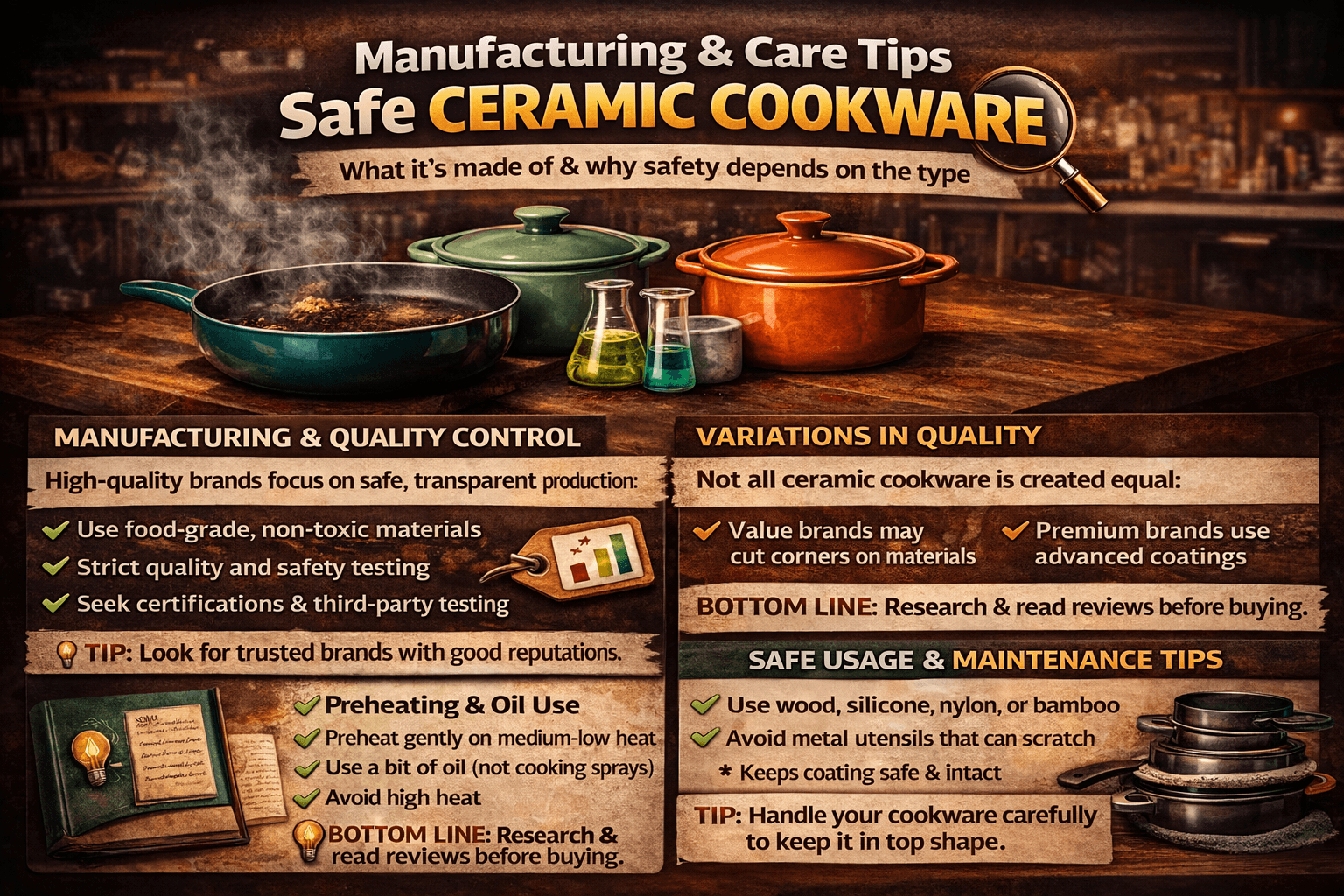
The Role of Additives and Binders
In ceramic-coated cookware, additives and binders are used to help the coating adhere to the pan and achieve its non-stick properties. Modern, high-quality ceramic coatings are formulated to be free from harmful chemicals like PFOA and lead. These substances were historically used in some manufacturing processes but have been phased out by most reputable manufacturers due to health concerns.
Manufacturers use food-grade materials for their coatings. The binders create a strong bond between the ceramic particles and the pan. The goal is to create a stable, inert layer that won’t react with food.
If a product uses unknown or questionable binders, that’s where potential safety issues could arise. Always look for cookware that clearly states it’s free from harmful chemicals.
Certifications and Testing
Some ceramic cookware brands seek certifications from third-party organisations to verify the safety and quality of their products. These certifications often involve rigorous testing of the materials and manufacturing processes to ensure they meet specific safety standards. For example, testing might look for the absence of heavy metals or the stability of the non-stick coating under various conditions.
While not all brands pursue these certifications, those that do provide an extra layer of assurance for consumers. It demonstrates a commitment to producing safe products. Reading reviews and looking for mentions of safety testing or certifications can be helpful when making a purchasing decision.
It shows the company has invested in ensuring its products are reliable and safe for everyday use in your kitchen.
Variations in Quality
It’s important to acknowledge that not all ceramic cookware is created equal. The market includes products ranging from budget-friendly options to premium brands. Lower-cost items may sometimes cut corners in manufacturing or use less durable materials, which can affect both performance and safety over time.
This doesn’t mean all affordable ceramic cookware is unsafe, but it’s a factor to consider.
Higher-end ceramic cookware often uses more advanced coating technologies and more robust base materials. They are typically manufactured with stricter quality controls. This can result in a more durable product that maintains its safety features for longer.
If you’re unsure, investing a bit more in a well-regarded brand can often be a good strategy for ensuring both safety and longevity.
Safe Usage and Maintenance of Ceramic Cookware
Once you have your ceramic cookware, using it correctly and taking good care of it is essential to ensure its safety and performance. Proper handling protects the non-stick surface and prevents the coating from degrading, which is where most safety concerns for ceramic-coated items arise. Simple habits can make a big difference in how long your cookware lasts and how safe it remains.
Preheating and Oil Use
When using ceramic-coated cookware, it’s often recommended to preheat the pan gently over medium-low heat before adding oil and food. This helps to evenly distribute heat and activate the non-stick properties. Using a small amount of cooking oil or butter is generally advised, even with non-stick surfaces, as it can further enhance the non-stick performance and protect the coating.
Avoid using cooking sprays, especially those containing lecithin, as they can build up on the surface and become difficult to remove, potentially damaging the non-stick coating over time. High heat can also degrade the coating. Sticking to medium heat is usually sufficient for most cooking tasks and helps preserve the integrity of the ceramic layer.
This gentle approach keeps the cookware in good condition for longer.
Cleaning Your Ceramic Cookware
Cleaning ceramic cookware requires a gentle touch. Always allow the cookware to cool down before washing. Using hot water on a hot pan can cause thermal shock, which can damage the coating.
Wash the pan with warm, soapy water and a soft sponge or cloth. Avoid abrasive scrubbers, steel wool, or harsh detergents, as these can scratch and damage the non-stick surface.
If there are stubborn food residues, you can try soaking the pan in warm water for a while. For tougher bits, a paste made from baking soda and water can be gently used. Rinse thoroughly and dry completely with a soft towel.
Proper cleaning ensures that no residue builds up and that the non-stick surface remains intact, continuing to provide a safe cooking experience.
Avoiding Metal Utensils
This is a critical rule for extending the life and safety of ceramic-coated cookware. Never use metal utensils like forks, knives, or whisks directly on the non-stick surface. Metal can easily scratch the coating, leading to peeling and flaking.
Once the coating is damaged, it can no longer provide a safe, non-stick cooking surface, and you risk exposing the underlying metal.
Opt for utensils made from wood, silicone, nylon, or bamboo. These materials are much gentler on the non-stick surface and will help preserve its integrity. Keeping a set of these “safe” utensils in your kitchen drawer is a simple step that makes a significant difference in maintaining your ceramic cookware’s performance and safety.
It’s a small change that offers big benefits.
Storage Considerations
How you store your ceramic cookware can also prevent damage. If you stack pans directly on top of each other, the abrasive surfaces can rub together and cause scratches. To prevent this, use pan protectors or soft cloths between layers.
You can also hang your pots and pans if you have the space and the right hardware.
Proper storage prevents accidental dents or scratches that can compromise the coating. Even minor damage can eventually lead to bigger issues. By taking these simple precautions, you’re safeguarding the investment you’ve made in your cookware and ensuring it remains a safe and reliable part of your kitchen for years to come.
This care extends its functional life and maintains its safety standards.
Health and Environmental Aspects
Beyond direct safety concerns, people often consider the broader health and environmental impact of their cookware choices. Ceramic cookware, particularly when made with natural materials or sustainable practices, can be an appealing option for those looking to reduce their exposure to certain chemicals and their environmental footprint.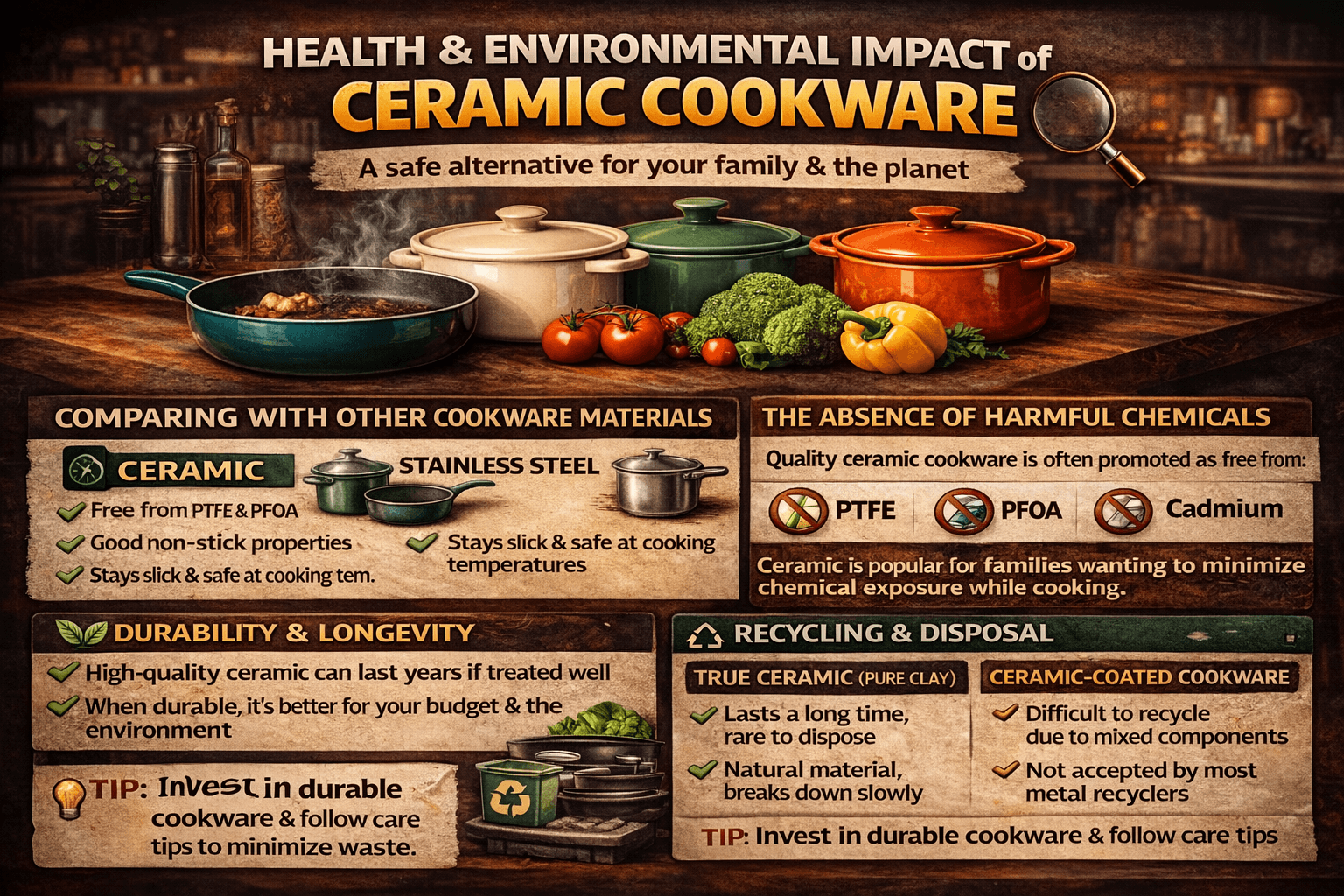
Comparing with Other Cookware Materials
When looking at ceramic cookware, it’s useful to compare it to other popular materials like stainless steel, cast iron, and non-stick coatings containing PTFE. Stainless steel is durable and safe, but can sometimes leach nickel or chromium, especially if scratched. Cast iron is excellent and can add iron to food, but it requires seasoning and can rust if not maintained.
PTFE-based non-stick coatings have raised concerns about fumes released at high temperatures and the potential for PFOA in older versions.
Ceramic cookware often positions itself as a safer alternative to traditional non-stick because it aims to avoid PTFE and PFOA. True ceramic is inert and safe. Ceramic-coated cookware’s safety depends on the coating’s quality, but when done right, it offers a good balance of non-stick performance and safety without the concerns associated with PTFE.
It’s about finding the best fit for your cooking habits and health priorities.
The Absence of Harmful Chemicals
A significant draw of ceramic cookware, especially from reputable brands, is its claim to be free from harmful chemicals. Many ceramic-coated pans are marketed as being free from PTFE, PFOA, lead, and cadmium. These chemicals have been linked to various health issues.
The absence of these substances makes ceramic cookware an attractive choice for families concerned about chemical exposure during cooking.
The manufacturing process for high-quality ceramic coatings aims to use only safe, food-grade materials. This commitment to avoiding potentially toxic elements is a major reason why many consumers opt for ceramic. It provides a sense of security that the tools used for preparing meals are not introducing unwanted toxins into their food.
This focus on a clean slate is a strong selling point.
Durability and Longevity
The durability of ceramic cookware can vary. True ceramic pieces, like casseroles or baking dishes, are generally very durable and can last for decades if cared for properly. Ceramic-coated frying pans and skillets, however, have a lifespan that is more dependent on the quality of the coating and how they are used and maintained.
A high-quality ceramic-coated pan, with proper care, can last for several years.
When ceramic cookware is durable, it means fewer replacements are needed over time. This not only saves money but also reduces waste, making it a more environmentally conscious choice. Investing in well-made ceramic cookware that lasts contributes to a more sustainable kitchen.
The key is to select products known for their robust construction and to follow the care instructions diligently.
Recycling and Disposal
Disposing of old cookware is something many people don’t think about. True ceramic, being made of natural clay, is generally not recyclable through standard municipal programs. It’s a durable material that will likely break down over a very long time if put in a landfill.
However, many ceramic items are built to last, so disposal is infrequent.
Ceramic-coated cookware presents a bit more of a challenge. Because it’s a composite material (metal base with coating), it often cannot be recycled with regular metals. Some specialised metal recycling facilities might accept it, but it’s not universally accepted.
It’s best to check with your local waste management services. In many cases, damaged ceramic-coated cookware may end up in landfills. This reinforces the importance of choosing durable, high-quality pieces that will last longer.
Frequently Asked Questions
Question: Is ceramic cookware truly non-stick?
Answer: Ceramic-coated cookware is designed to be non-stick. The surface helps food release easily. However, the non-stick quality can diminish over time with wear and tear, especially if not cared for properly.
True ceramic cookware is naturally less prone to sticking than bare metal but may not offer the same level of non-stick performance as a coated pan.
Question: Can ceramic cookware be used on induction cooktops?
Answer: This depends on the base material of the cookware. True ceramic is usually not magnetic and therefore not suitable for induction. Ceramic-coated cookware is only induction-compatible if its base material (like stainless steel or cast iron) is magnetic.
Always check the product specifications to be sure.
Question: Are there any risks associated with ceramic cookware if scratched?
Answer: For ceramic-coated cookware, if the coating is significantly scratched or chipped, there is a potential risk that small particles of the coating could enter food, or the underlying metal could be exposed. While modern coatings are designed to be safe, it’s best to avoid using scratched cookware and replace it. True ceramic is more durable and less prone to chipping in a way that would cause such concerns.
Question: What is the best way to clean a burnt ceramic pan?
Answer: If food is burnt onto a ceramic pan, allow it to cool completely. Then, fill the pan with warm, soapy water and let it soak. For stubborn residue, a paste of baking soda and water can be gently applied and scrubbed with a soft cloth or sponge.
Avoid abrasive scrubbers that can damage the coating.
Question: Does ceramic cookware contain harmful chemicals?
Answer: Reputable ceramic cookware is typically made without harmful chemicals like PFOA, lead, and cadmium. True ceramic is made from natural clay. Ceramic-coated cookware relies on advanced non-stick coatings designed to be free from these substances.
Always check product descriptions for specific safety claims and certifications.
Final Thoughts
So, when it comes to the question, “Is Ceramic Cookware Safe? Everything Explained Simply,” the answer leans towards yes, with a few important considerations. True ceramic cookware, made from natural, fired clay, is inherently safe and stable.
For ceramic-coated cookware, safety is largely dependent on the quality of the coating and how well it’s maintained. Modern coatings are formulated to be free of harmful chemicals like PFOA and PTFE, offering a safer alternative to older non-stick technologies.
The key to ensuring your ceramic cookware remains safe is proper usage and care. Avoid overheating, always use gentle cleaning methods, and refrain from using metal utensils that can scratch and damage the non-stick surface. If you notice significant scratches or degradation in the coating, it’s wise to replace the cookware.
By choosing reputable brands and following these simple guidelines, you can confidently use your ceramic cookware, enjoying its non-stick benefits for healthy and enjoyable cooking experiences in your kitchen for years to come.
Recent Posts
Upgrade your kitchen now! See our 5 best microwaves drawer reviews. Make an informed purchase and save time and space.
Score the best microwaves under 50 dollars! Our 5 top product reviews help you save money and eat well. Get yours now!.