

Remember that old, reliable microwave oven that seemed to last forever? Then, one day, it just…stopped. Maybe it sparked, maybe it hummed louder than usual, or perhaps it simply refused to heat your leftovers. Now, you’re faced with the question: how to dispose of a microwave? This seemingly simple task can feel tricky if you’re unsure of the proper steps. This post is for you. We’ll explore the best and safest ways to get rid of that old appliance so you can feel good about protecting the environment. You’ll leave here knowing the exact steps to responsibly discard your microwave, saving you both time and worry, boosting your knowledge, and reducing landfill waste.
Key Takeaways
- You can recycle a microwave at many locations, preventing harmful substances from entering the environment.
- Local waste management services often offer specific programs for appliance disposal.
- Donating your working microwave extends its lifespan and helps others.
- Preparing the microwave for disposal involves simple steps to ensure safety.
- Knowing the materials involved is important for selecting the best disposal method.
- Understanding the impact of improper disposal on the environment helps to make informed choices.
Choosing the Right Disposal Method for Your Microwave
Deciding what to do with your old microwave involves several considerations. You’ll need to think about the microwave’s condition, your location’s regulations, and the most environmentally friendly option. Not every choice suits everyone, so let’s check some alternatives to choose the best one for you.
Recycling Your Microwave
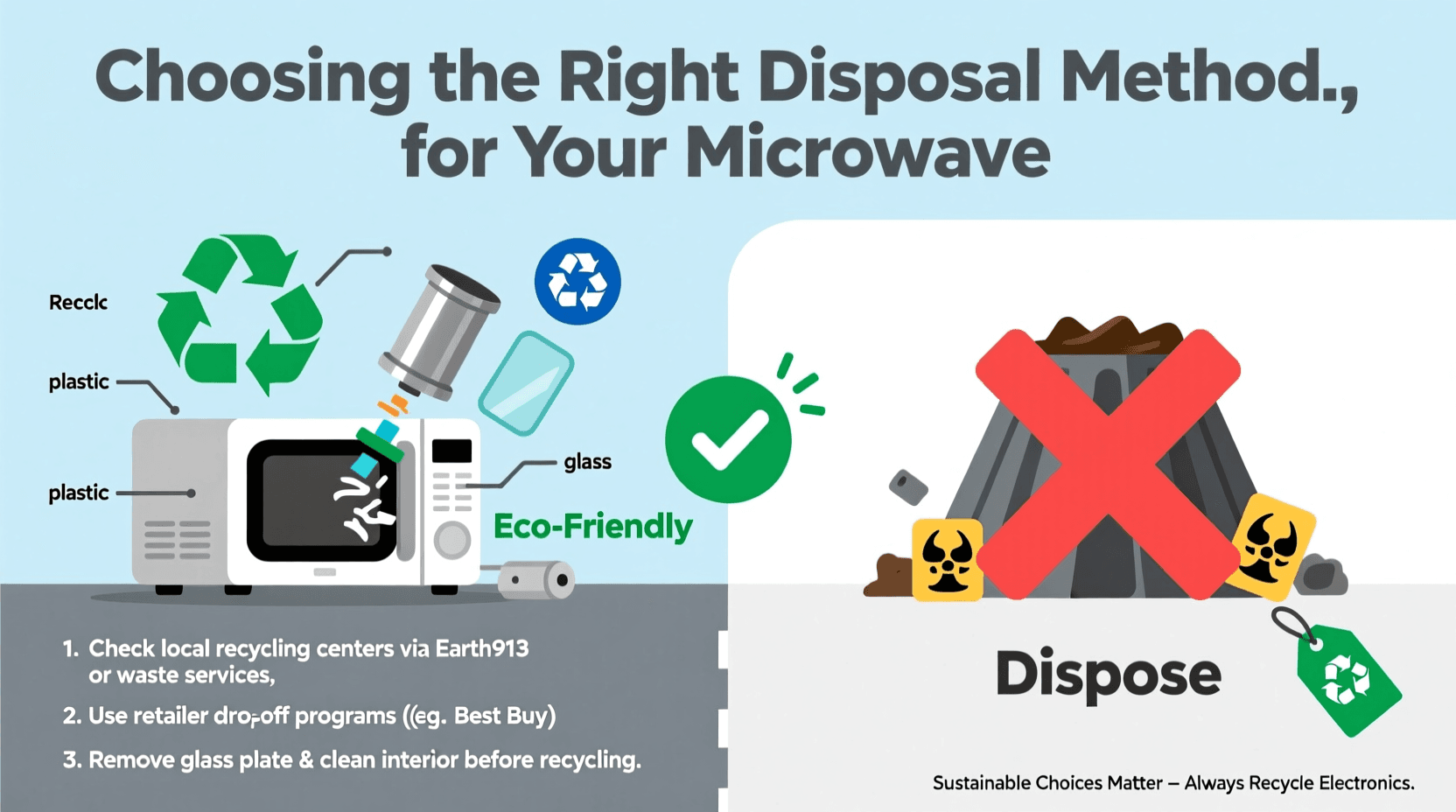
Recycling is often the best choice for environmental protection. Microwaves contain materials that can be reused, reducing the need to mine new resources. This also helps keep harmful substances out of landfills, which can then contaminate the soil and water. Many electronic stores, local recycling centers, and some waste management facilities accept old microwaves.
- Find a Recycling Center: Locate a local recycling center near you by using online search tools like Earth911 or calling your local waste management services. These centers often have specific bins or areas for electronics.
Finding a nearby recycling center is a good first step. It is easy to search online using websites like Earth911 or by contacting your local waste management services. These centers often feature specific bins or areas dedicated to electronic appliances.
- Check for Drop-off Programs: Many retailers, like Best Buy, offer free or low-cost appliance drop-off programs. Simply bring your microwave to the store, and they will handle the recycling process.
Big retailers such as Best Buy have special programs for dropping off appliances, sometimes at no cost. You just need to take your microwave to the store, and they will handle it from there.
- Prepare Your Microwave: Before dropping off your microwave, it’s good to remove the glass plate, clean it out, and take out any food particles. This helps the recycling process go smoothly.
Before you recycle your microwave, take out the glass plate and clean it inside. This prepares it for the recycling process.
Donating Your Microwave
If your microwave still works correctly, donating it is a great choice. You provide another person with a useful appliance while keeping the microwave in use for longer. This reduces waste and supports communities that may need affordable appliances.
- Identify Potential Recipients: Think about local charities, shelters, or community organizations that might accept appliance donations. Check with your local Habitat for Humanity or other similar groups.
Check with local charities and community groups. These places often help people in need and could give your working microwave to someone who needs it.
- Assess the Condition: Make sure the microwave is in good working order. Test it to confirm it heats food properly, the buttons function, and the door closes securely.
Make sure it works. Test it by putting food in it and setting the timer. Ensure that the door closes properly and that the buttons work.
- Prepare for Donation: Clean the microwave thoroughly, both inside and out. Include any accessories, like the glass plate. Transport the microwave safely to the donation center.
Give it a thorough cleaning. Ensure the glass plate and other parts are in place. Safely move the microwave to the donation center.
Disposing of Your Microwave Through Waste Management Services
Many communities have waste management services that provide appliance disposal. This option offers convenient ways to get rid of your microwave, but it is important to follow local guidelines to be sure you are disposing of it safely and responsibly.
- Check Local Regulations: Start by looking at your local waste management rules. Each community is different, and some may have specific collection days or procedures for large items like microwaves.
It is important to understand local waste management rules in your area. You can find this information on your local government’s website or by contacting your local waste management department.
- Schedule a Pickup: Some services offer appliance pickup. You can schedule a pickup online or by calling, and the service will take your microwave from your home.
Some waste management services offer appliance pick-up. You can usually schedule a pickup time on the phone or by using an online service.
- Prepare the Microwave: Often, you’ll need to remove the glass plate and any loose items. Sometimes, you may need to bring the microwave to the curb on a specific day. Follow any instructions you receive from the service.
Get ready for pickup by removing any loose items and cleaning out the interior. Follow any instructions provided by your local waste management service regarding the day and method of disposal.
Understanding the Components and Materials
Microwaves have several components made of different materials. Understanding these materials can help you decide how to dispose of your microwave. Also, it helps you prepare it safely for whatever disposal method you choose.
Common Materials in Microwaves
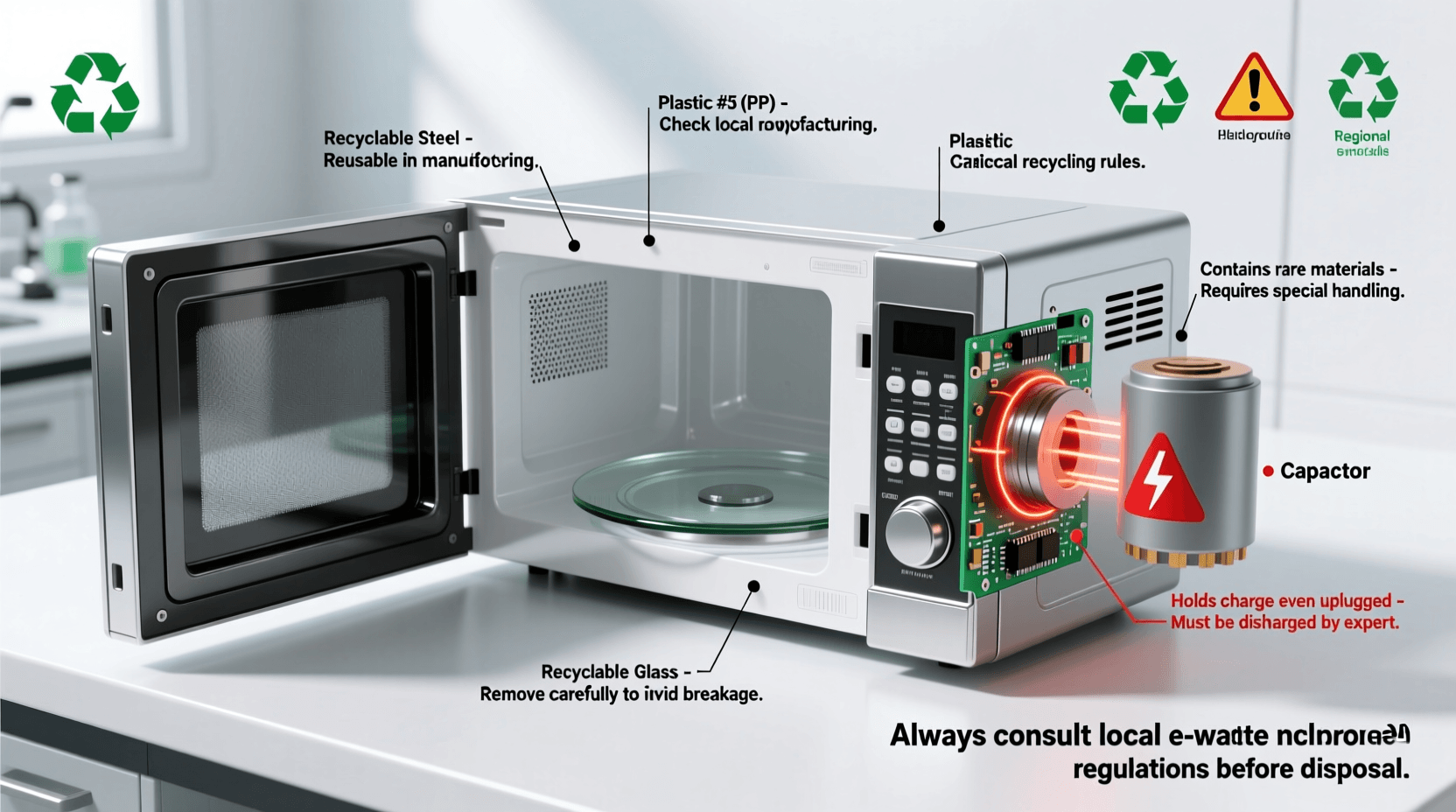
Microwaves are made up of diverse materials. These materials can include metal, plastic, glass, and electronic components. Understanding this mix is important for choosing how to dispose of your appliance.
- Metal: The outer casing and some internal parts are made of metal, like steel. These metals can be recycled, and the recycling process allows the resources to be used again.
The outer shell and some internal components are generally made of metal. Metal is recyclable, allowing materials to be reused and avoiding the need to extract new resources.
- Plastic: Plastic components are used for the outer casing, the control panel, and other parts of the microwave. Different types of plastic may require different recycling methods, depending on the area.
Plastics are used to make several components, including the casing and control panel. Different areas have different ways of recycling plastics, and knowing the specific type of plastic is helpful.
- Glass: The glass plate inside the microwave needs to be carefully removed. Glass is often recyclable, but specific guidelines may apply in your area.
The glass plate inside the microwave is another main component. While glass is often recyclable, it is crucial to follow local regulations.
- Electronic Components: The microwave includes various electronic parts, such as the magnetron (which produces microwaves), capacitors, and circuit boards. These components contain valuable materials, but they also have the potential to be harmful if not disposed of correctly.
Electronic components, such as the magnetron and circuit boards, are present in microwaves. These parts contain important materials, but improper disposal can be dangerous.
Hazardous Materials
Some components within a microwave can be hazardous if not handled correctly. Improper disposal can harm the environment and pose a risk to human health. Being aware of these elements is important when deciding how to get rid of your microwave.
- Capacitors: Some microwaves have capacitors that can store electrical charges even when the appliance is unplugged. They need to be safely discharged by a trained professional before disposal.
Capacitors in some microwaves can hold electrical charges even if the appliance is unplugged, posing a risk. These must be discharged safely by a qualified professional before disposal.
- Magnetron: The magnetron is a key component that generates microwaves. It includes materials that require special handling during the recycling process.
The magnetron, essential for generating microwaves, includes materials that require special care during recycling.
- Potential Contaminants: Depending on its age and condition, a microwave might have other potentially harmful materials, like lead in the solder or components. Recycling centers and authorized waste facilities are prepared to handle these materials.
Older microwaves may contain hazardous materials like lead. Recycling centers are equipped to safely handle and remove them, to protect the environment.
Preparing Your Microwave for Disposal
To dispose of your microwave safely, you need to prepare it. Following these steps helps make the process easier and ensures the protection of both the environment and people involved.
Safety Precautions
Microwaves can have hazards, even when unplugged. Taking safety measures is crucial when getting ready for disposal. This section will guide you through the process.
- Unplug the Microwave: Before you do anything, disconnect the microwave from the power outlet. This removes the risk of electrical shock.
The first step is unplugging the microwave to remove any risk of electric shock.
- Let It Cool: If the microwave was just used, allow it to cool completely before you start any preparations. This prevents burns.
If you’ve just used the microwave, let it cool completely to avoid any accidental burns while you’re preparing it for disposal.
- Remove the Glass Plate: Take out the glass plate from inside the microwave. This plate is typically separate and can be handled safely.
Carefully remove the glass plate from inside the microwave. This will prevent it from breaking during transportation or disposal.
Cleaning and Emptying
Cleaning and emptying the microwave make sure it’s ready for disposal. This prepares it for recycling, donation, or pickup, and also ensures that there are no remaining food particles or other materials that could cause problems.
- Clean the Interior: Use a damp cloth to remove any food particles and debris from inside the microwave. Avoid using harsh chemicals.
Clean the interior with a damp cloth to take out food particles. Avoid any harsh chemicals to prevent damage.
- Remove Accessories: Remove any accessories, like the roller ring or any removable parts. These parts can be disposed of separately.
Take out all removable accessories, such as the roller ring. You can dispose of these parts separately.
- Secure the Door: Close and secure the microwave door. This prevents any parts from falling out during transport.
Close and secure the door to prevent parts from falling out while being moved.
Transporting Your Microwave
Proper transport is essential when you’re moving your microwave for disposal. Careful handling ensures that the microwave is moved without any incidents or dangers.
- Use Appropriate Packaging: If possible, pack the microwave in its original box or use a sturdy cardboard box to protect it during transport. This will prevent damage.
Use the original box or a sturdy cardboard box to keep it safe during transportation.
- Lift and Carry Safely: Use proper lifting techniques when lifting and carrying the microwave. Lift with your legs and keep your back straight to prevent injury.
Use the proper lifting techniques to avoid injury and damage.
- Handle with Care: During transport, avoid dropping or hitting the microwave. Gentle handling will prevent any damage and ensure safe transport.
Handle the microwave with care and avoid dropping or hitting it.
Eco-Friendly Disposal: Reducing Your Impact
Choosing the right disposal method means being mindful of the environment. By understanding the effects of your actions, you can make informed choices that reduce waste and support sustainability.
The Environmental Impact of Microwaves
Microwaves have several possible environmental impacts. These come from the resources used to create them, the energy they use, and how they’re discarded. Taking these factors into consideration is vital.
- Resource Consumption: Making microwaves needs raw materials, such as metals, plastics, and electronic parts. Mining and manufacturing processes can have significant environmental consequences.
Making microwaves uses raw materials like metals and plastics. These are used in mining and manufacturing, which can have an environmental impact.
- Energy Use: Using microwaves also causes an environmental impact. The amount of electricity used, as well as the sources of that electricity, influences the carbon footprint.
Using microwaves requires energy. The amount of electricity used and where it comes from can significantly impact the environment.
- Landfill Waste: If microwaves end up in a landfill, the materials inside can leak into the environment. Many materials don’t break down and take up valuable space.
If microwaves end up in a landfill, they take up space and can release dangerous materials that pollute the environment.
Benefits of Recycling
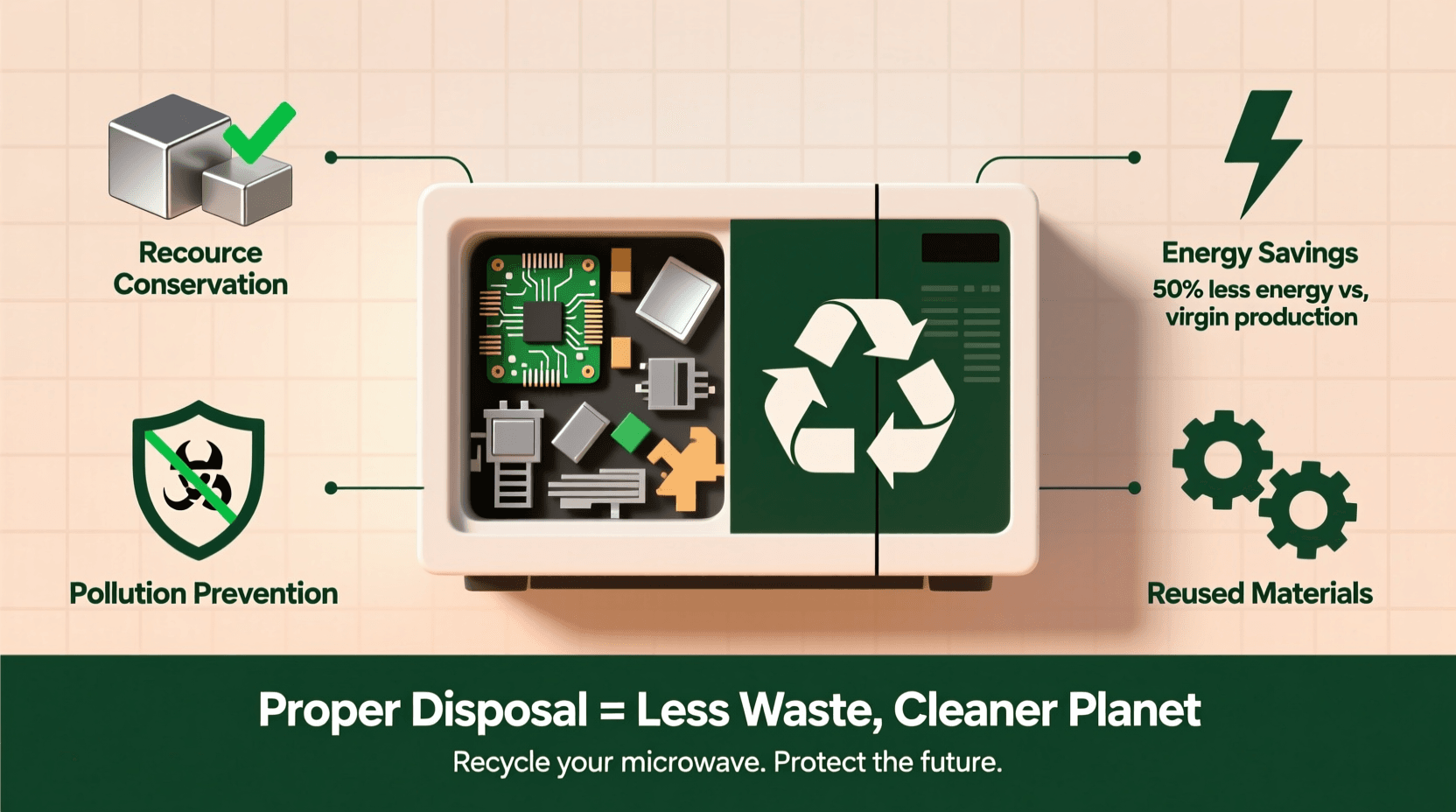
Recycling is the best choice for lessening your environmental effect. Recycling appliances helps recover useful materials, cuts down on the need for mining, and prevents hazardous materials from polluting the environment. Recycling provides several important environmental benefits.
- Conserving Resources: Recycling lets us reuse materials, like metal and plastic, which decreases the need to extract new raw materials. This conserves natural resources.
Recycling lets you reuse materials like metal and plastic, decreasing the need to mine new ones. This helps conserve natural resources.
- Reducing Pollution: Recycling stops hazardous materials from going into landfills. This also stops potential pollution in the soil and water.
Recycling stops hazardous materials from going into landfills, reducing the potential for pollution of soil and water.
- Energy Savings: Recycling can also conserve energy compared to producing new products from raw materials. This results in fewer greenhouse gas emissions and a smaller carbon footprint.
Recycling can also conserve energy compared to making new products from raw materials. This helps in reducing greenhouse gases and lowering your carbon footprint.
The Role of Proper Disposal
Proper disposal is very important for protecting the environment. When you properly dispose of a microwave, you ensure that the materials are handled safely and responsibly. This means recycling materials to be used again, making certain that hazardous components are handled safely. Also, it also helps reduce the environmental impact.
- Preventing Pollution: Correct disposal keeps hazardous materials from contaminating the environment. By recycling materials, pollution is reduced.
Proper disposal keeps hazardous materials from contaminating the environment and reduces pollution.
- Supporting the Circular Economy: Proper disposal supports a circular economy. In a circular economy, materials are kept in use, which reduces waste and promotes sustainability.
Proper disposal supports a circular economy, keeping materials in use and minimizing waste.
- Promoting Environmental Responsibility: Choosing to dispose of microwaves responsibly shows that you are environmentally conscious. It is a commitment to reducing your environmental footprint.
Choosing proper disposal methods shows a commitment to environmental responsibility and lowers your environmental footprint.
Frequently Asked Questions
Question: Can I just throw my microwave in the trash?
Answer: It is generally not recommended to put your microwave in the regular trash due to the hazardous materials inside and the potential for it to end up in a landfill. Recycling or proper disposal through a waste management service is always the better option.
Question: How do I know if my microwave is recyclable?
Answer: Check with your local recycling center or waste management service. They will tell you what materials they accept and any specific instructions for disposing of electronics like microwaves.
Question: What do I do with the glass plate from the microwave?
Answer: The glass plate is typically recyclable. Remove it before disposal. Check with your local recycling center to see if they accept the glass plate along with the metal or if you need to dispose of it differently.
Question: Is it safe to try to fix a broken microwave myself?
Answer: It’s generally unsafe to fix a microwave yourself because they contain high-voltage components, like capacitors, which can store electricity even when unplugged. It is better to have it repaired by a professional or dispose of it safely.
Question: What should I do if my microwave still works, but I don’t need it?
Answer: If your microwave works, consider donating it to a local charity or community organization. This gives it a new life while helping others.
Final Thoughts
Getting rid of an old microwave doesn’t have to be a complicated job. By choosing to recycle, donate, or use your local waste management services, you are making a positive impact on the environment. Preparing your microwave properly, by unplugging it, cleaning it, and taking out the glass plate, is a crucial first step. Understanding the materials and being aware of the possible environmental effects can help you make a decision that matches your values. By adopting these methods, you can safely dispose of your microwave while helping to protect the environment. So, next time you need to dispose of a microwave, remember these steps and make a thoughtful decision. You’re doing your part for a healthier planet, one appliance at a time.
Recent Posts
Upgrade your kitchen now! See our 5 best microwaves drawer reviews. Make an informed purchase and save time and space.
Score the best microwaves under 50 dollars! Our 5 top product reviews help you save money and eat well. Get yours now!.